Headsound: A Modern Script Font for Web Design
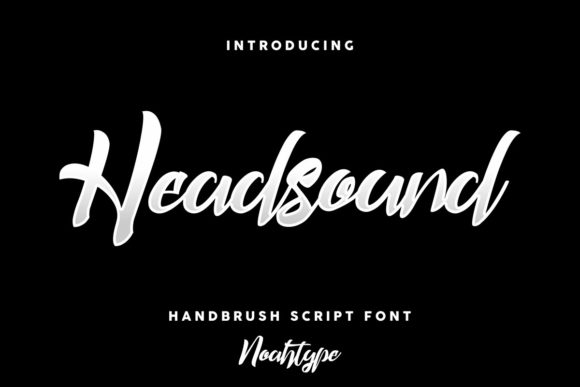
I was working on a boutique website for a small artisanal candle brand when I first came across Headsound. The client wanted something that felt both classic and contemporary, and as I tested it in the hero section, I knew I had found the right fit. Headsound is an elegant script font with a contemporary atmosphere and impeccable form, inspired by timeless classic calligraphy. It’s not too thin and not too thick—just balanced and varied, which makes it incredibly versatile for digital design.
As a web designer, I’ve used countless fonts over the years, but Headsound stands out for its ability to bring warmth and personality to a site without sacrificing readability. It has a clean, modern feel that works well with both minimalist and more ornate layouts. The visual characteristics of Headsound are subtle yet expressive, making it perfect for headings, banners, and other display elements that need to catch attention without overwhelming the viewer.
Headsound in Action: Real-World Web Applications
One of the first places I tested Headsound was in the hero section of the candle brand’s website. Placed over a soft, pastel background image, it added just the right amount of elegance and charm. The font’s varied stroke weights gave the text a natural flow, making it easy to read even from a distance. When paired with a clean sans serif font like Montserrat for body copy, the contrast was striking yet harmonious.
Another great use for Headsound was in the landing page headline for a coaching website. Here, the font helped create a sense of trust and approachability. The script style felt personal, which aligned perfectly with the brand’s mission of offering one-on-one guidance and support. I also used it for call-to-action buttons, where its decorative nature made the buttons stand out while still being legible enough to encourage clicks.
For blog headers and promotional banners, Headsound worked beautifully as a decorative accent. It added a touch of sophistication without overpowering the content. I especially liked how it looked when placed over dark backgrounds—it didn’t lose its clarity or aesthetic appeal, which is crucial for maintaining visual balance in web design.
Responsive Design Considerations
When designing for responsive layouts, it’s essential to ensure that typography remains readable across all screen sizes. Headsound performed exceptionally well on mobile screens, even when scaled down. Its moderate thickness and clear letterforms made it easy to scan, which is important for user experience on smaller devices.
I also tested it on high-resolution displays and found that the font maintained its crispness and elegance without any pixelation or distortion. This makes it ideal for websites that prioritize visual quality and performance, especially when used in image overlays or as part of a larger visual composition.
For smaller buttons and interactive elements, I recommend using a slightly condensed version of Headsound or pairing it with a simpler font for better accessibility. While the font is highly decorative, it’s not suited for long paragraphs or dense blocks of text. Instead, it shines best when used sparingly for emphasis, titles, or short phrases that need to make an impact.
Font Pairing and Brand Consistency
One of the most important aspects of using any display font is ensuring it complements the rest of the design system. Headsound pairs particularly well with clean sans serif fonts like Open Sans or Lato, which provide a strong contrast and help maintain readability. For a more editorial or professional look, pairing it with a simple serif font like Merriweather can add depth and sophistication to the overall design.
When building a digital brand kit, Headsound can serve as a signature element that reinforces brand identity. Whether it’s used in logo design, header sections, or promotional graphics, its consistent style helps create a cohesive visual language that customers will come to recognize and trust.
Before implementing Headsound on a live website, it’s important to check what styles and weights are included. The font should support multiple languages if needed, and commercial licensing must be confirmed to ensure compliance, especially for online stores, client projects, or digital templates.
Overall, Headsound is a premium script font that brings a modern twist to traditional calligraphy. Its versatility and elegant character make it a valuable addition to any web designer’s toolkit, whether you're working on a boutique store, a creative portfolio, or a professional landing page. It’s a font that feels intentional and refined—perfect for creating memorable digital experiences that resonate with users and align with brand values.